Flat feet, high arches, heel varus, toe gait, uneven knee loadings… all of these can affect walking posture and health.
Just as an electrocardiogram can accurately record electrical signals from the heart, the foot pressure distribution system can provide scientific measurements the plantar loading condition that can support the diagnosis and intervention of foot diseases.
A plantar pressure distribution system must measure accurately and accurately. In addition to hardware sensing technology, it must be combined with specialized algorithms and data analysis. So what are the application principles of such a system?
I. Accurately pressure data collection
1.Fully capture the plantar loading condition
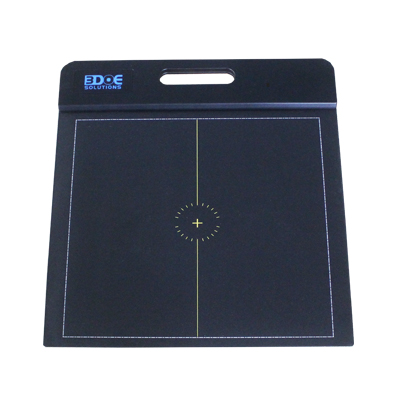
The plantar pressure distribution system uses high-density sensors or pressure plates to collect loading information on all parts of the foot in a short period of time. In patients with flat or high arches, the system can show slight changes, such as arch collapse, overload of the forefoot, heel deviation, etc., thus providing a quantitative basis for clinical evaluation.
2.Using a combination of dynamic and static measurements
The system can measure pressure distribution while standing still, and also record changes in pressure when walking and passing through a walking board or sensor insoles. Static data reflect the structure of the foot, dynamic data reflect functional problems, so that the evaluation is more comprehensive and accurate.
ii. Scientific analysis of pressure distribution
1.Correct display partitioned areas
The system divides the sole into several areas-the front foot, arch and heel-and uses different colours or values to visualise the pressure distribution. This can quickly identify pressure concentration and uneven loading areas, providing clear guidance for flat feet, foot valgus and other foot abnormalities.
2.Quantitative anomaly indicators
By calculating arch index, pressure ratios, stride length and gait balance, the system can quantitatively describe the degree of foot abnormality. For patients with flat feet, for example, arch collapse, increased pressure and unstable gait can all be clearly shown in numbers, laying the groundwork for a corrective plan.
III. Personalized intervention guidance
1.Tailored for Everyone
Everyone has different foot structure, weight distribution and gait habits. The plantar pressure distribution system can incorporate personal data to develop targeted corrective or training plans, including customized orthotic insoles, plantar muscle training or gait adjustments.
2.Dynamic tracking and adjustment
The system can regularly monitor changes in plantar pressure in developing children or groups whose feet have been altered by sports injuries, illness or other causes. This helps doctors or rehabilitation therapists adjust interventions in a timely manner to ensure consistent and stable corrective outcomes.
IV. INTRODUCTION Advanced algorithms and visualization
1.Intelligent Analysis of loading curves
system software uses algorithms to convert pressure points into visual models and generate plantar pressure heat maps. The flat-footed collapse areas, outcropping angle and gait abnormalities can be accurately marked by the intuitive curve display and color distribution.
2.Data comparison and forecasting
The system can assess the extent of malformations by comparing them to standard foot databases and predict the risk of joint or muscle injury that may result from prolonged, uneven stress, providing scientific basis for preventive interventions.
V. Non-invasive, efficient and convenient.
1.Non-contact or light touch
The pressure acquisition process is foot free and does not require wearing of complex equipment or additional pressure to ensure the authenticity and reliability of the measurement data.
2.Rapid measurement and reusability
The whole measurement process usually takes between a few seconds and a dozen seconds. It can be repeatedly monitored at any time to provide effective and reliable reference for foot repair, correction and insole customization.