The arch of the foot collapses, unstable walking, abnormal gait, knee and ankle pain, skewed force lines in the lower extremities… these problems often result from an imbalance plantar pressure or abnormal gait.
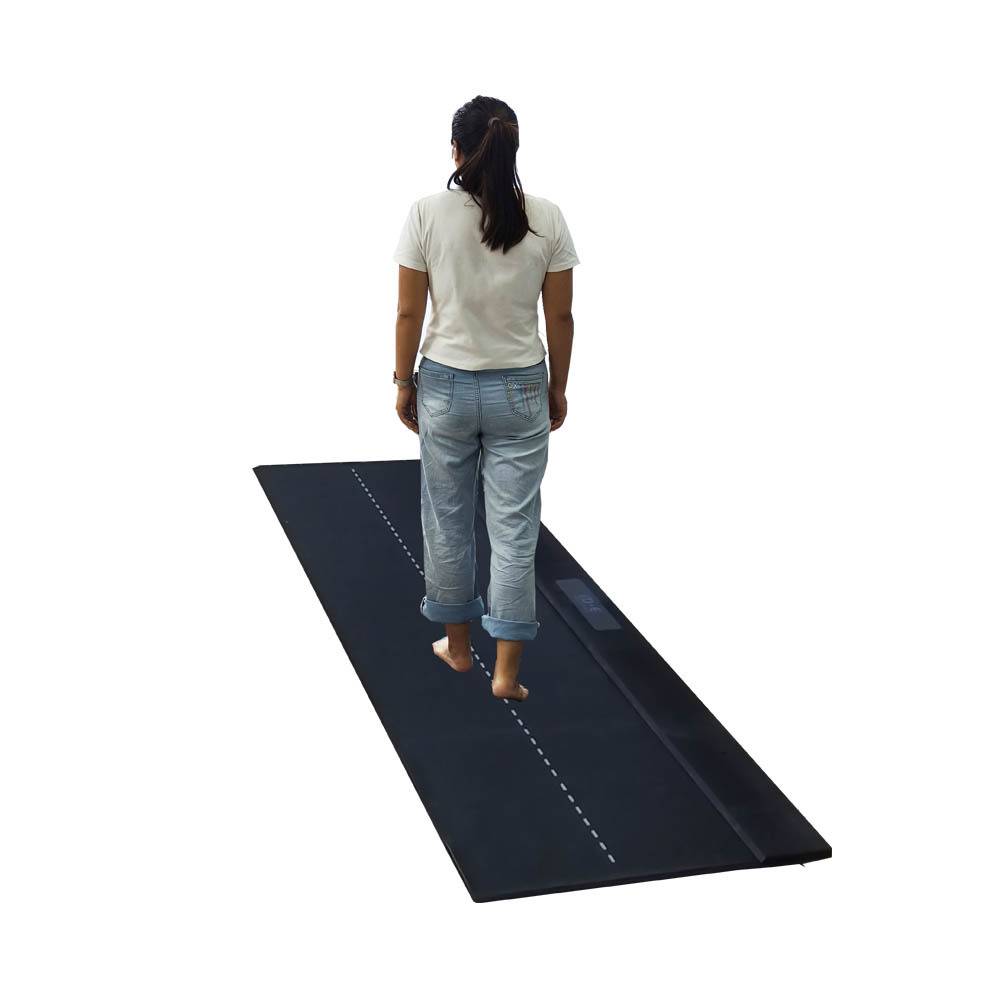
Just as eyesight tests can help understand the condition of the eyes, foot pressure gait analyzers can accurately capture the way the foot carries weight and walkings, laying the groundwork for scientific assessments of lower limb health.
Gait analysis requires both measurement and accuracy. In addition to the basic recognition of pressure distribution, the dynamic walking data should be interpreted comprehensively. So what exactly does the foot pressure gait analyzer do? An efficient gait analysis system typically includes the following:
I. Provide Accurate detection plantar pressure.
Determine pressure distribution
The pressure on different areas of the sole is also different. Using the analyzer, the force on the heel, metacarpal bone and toes can be displayed in real time to detect concentration, ultra-low pressure or abnormal deviations.
For example, a flat foot puts too much pressure on the inside, while a high arch puts too much pressure on the front foot. These anomalies can be intuitively reflected in the data.
Captive variation of dynamic forces
As you walk, the pressure on your feet also changes. The analyzer can record the process of pressure change frame by frame, so that the evaluator can accurately judge the insufficiency of push or dislocation in the gait cycle, which is helpful for a more comprehensive analysis of lower limb movement patterns.
ii. Comprehensive gait patterns evaluation;
Watch gait cycles
This includes transitioning from heel strike to toe. The analyzer clearly shows the time proportion and coordination of movements at each stage.
Abnormal gaits, such as those with outward toes, lameness, or uneven stride, can be diagnosed with data to determine the underlying causes, providing the basis for gait improvement performance.
Analyze force line deviation
Gait stability is closely related to the strength line of the lower extremities.
The analyzer uses trajectory data from the center of the object’s motion and the center of foot pressure to determine whether the object has excessive internal rotation, severe cartwheels or center of gravity deviations, and to infer whether the knee or hip joints are under abnormal pressure.
III. Assistance in the development of personalized intervention plans
Scientific basis for correction
Whether it’s custom insole production, recommended stents or planned rehabilitation exercises, gait analysis data can provide accurate evidence.
Using plantar pressure maps and gait curves, professionals can identify key points that cause pain or abnormalities and develop more effective intervention strategies.
Monitoring the impact of interventions
Improvement in gait requires continuous tracking. The analyzer can compare before and after interventions and judge results based on trends such as balanced pressure, smoother gait and more stable gait cycle.
IV. INTRODUCTION Enhance exercise to improve your daily walking ability.
Optimize exercise posture
For athletes or fitness enthusiasts, gait analysis can detect inappropriate running landing methods, erratic paces or uneven force output, reducing the risk of sports injuries and improving exercise efficiency.
Improve daily walking comfort.
Many people have unintentional bad walking habits every day. Through analyzer data, problems can be detected in time to adjust gait, making walking easier, smoother and more comfortable.
Provide scientific basis for medical rehabilitation work.
Assisted diagnosis, etc.
For flattened feet, high arches, hallux valgus, unstable ankles and varus/valgus knees, pressure and gait data can provide a more comprehensive reference for doctors to assess the cause and severity.
Guide rehabilitation training
Muscle strength and stability change at different stages of recovery.