Plantar Pressure Distribution System
Inside the pressure plate of the plantar pressure distribution system, there are thousands or even tens of thousands of pressure sensors.
When a person stands still or walks on the pressure plate, the pressure distribution data of every area of our plantar foot — including the heel, arch, forefoot, and rearfoot — can all be accurately detected.
Not only can it measure plantar pressure distribution, but it can also detect data such as center of pressure trajectory and gait cycle.
After the pressure sensors acquire the data of each part of the plantar foot, the data will be processed through software on the computer and transformed into visualized graphs, such as 2D pressure maps, heat maps, force line graphs, COP (center of pressure trajectory), left-right foot force comparison, etc., and detailed data reports will be generated.
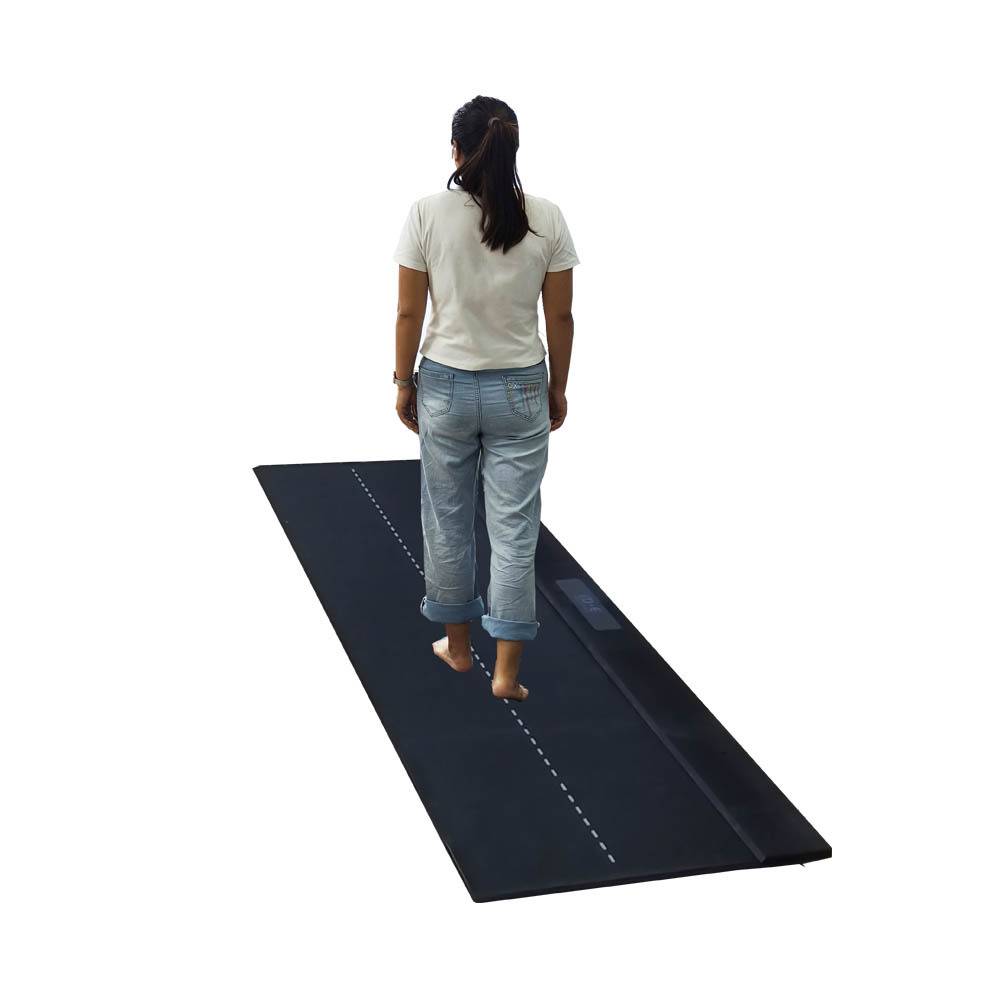
The data measured by the plantar pressure distribution system can be applied in the following fields:
- In rehabilitation institutions or hospitals, for diagnosing foot health, such as evaluating flat feet, high arches, and gait.
- Applied in the design and production of corrective insoles and orthopedic shoes, mainly based on plantar pressure distribution and gait data for refined design.
- Applied in rehabilitation effect evaluation and sports performance analysis.
- Can be applied in foot health screening, prevention and evaluation of diabetic foot, and assessment of balance ability and fall risk in the elderly.
Of course, this belongs to high-tech products, so the price is relatively high, but there are many models, and we can choose the one suitable for our budget and application scenarios.
A one-time investment can be used for many years. If it can truly solve our real needs, the cost can be recovered quickly after purchase.
When choosing to buy, you must choose a brand with a certain degree of reputation, so that after-sales service is more guaranteed and the quality is also ensured.