Gait analysis equipment is a professional device that measures gait cycles, limb movement trajectories, and related mechanical parameters.
Gait analysis equipment has built-in multi-dimensional data acquisition and signal processing modules.
Currently, the popular acquisition methods on the market include: optical capture acquisition, inertial sensor acquisition, pressure sensor acquisition, and surface electromyography acquisition.
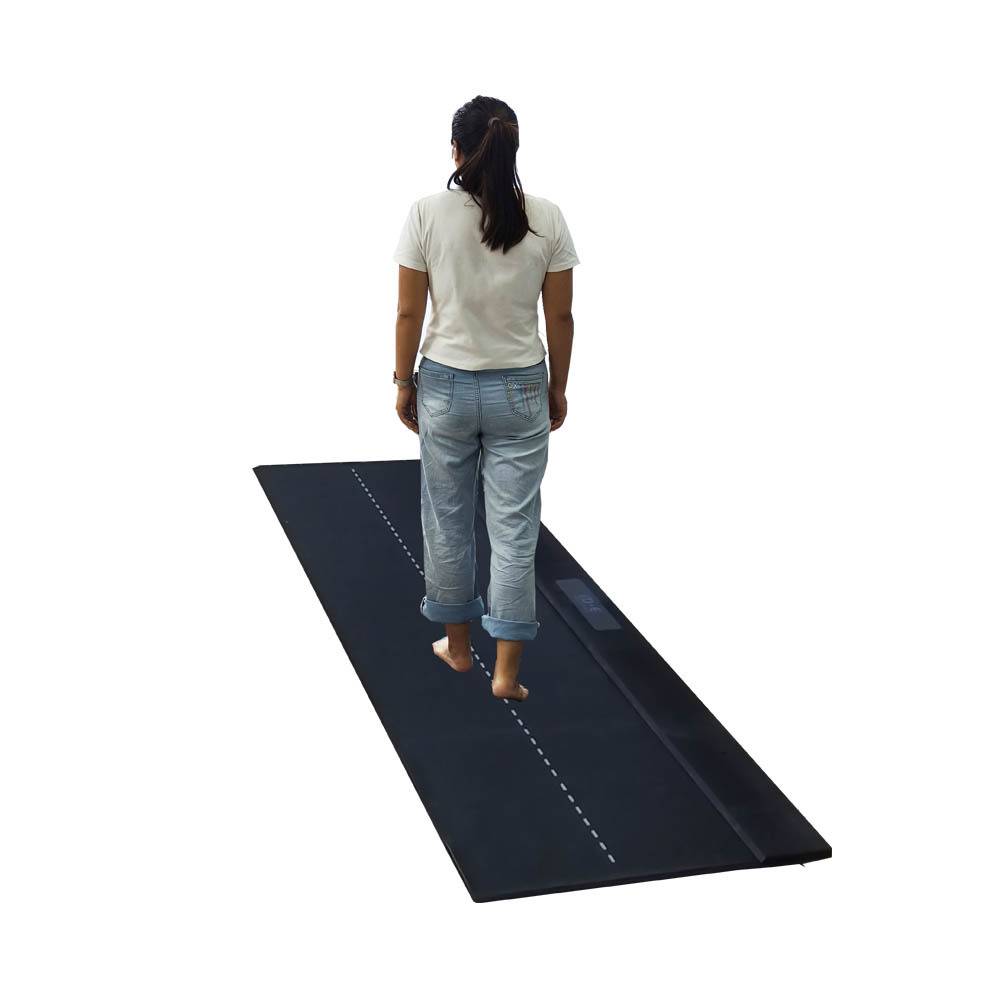
These acquisition methods can detect the movement state and stress changes of the human body’s limbs during walking, running, or jumping.
The acquisition accuracy of the equipment is usually at the millimeter-level for displacement and millisecond-level for time difference.
After the data is collected, it is processed and interpreted by special analysis software to form a comprehensive analysis report, which includes gait cycle phases, joint movement angles, peak plantar pressure, and limb coordination.
Gait analysis equipment generally has three types of application scenarios: clinical diagnosis, training optimization, and scientific research.
Different usage requirements and service objects can exert corresponding core functions.
For example, clinical disease diagnosis generally only requires basic gait parameters.
For example, athlete training improvement requires the function of sports biomechanics analysis.
For example, biomechanics research may need to use the function of multi-dimensional data acquisition and analysis.
With diverse application scenarios, it can be applied to a wider range of fields.
The most common application fields of gait analysis equipment are as follows:
1. Application in clinical diagnosis and treatment
In clinical diagnosis and treatment, it can be used to diagnose gait abnormalities after stroke, gait deformities in children with cerebral palsy, gait disorders caused by osteoarthropathy, evaluate postoperative rehabilitation effects, and adjust treatment plans.
2. Application in sports training
It conducts precise analysis of athletes’ gait characteristics and optimizes their sports performance, such as improving running push-off force and adjusting jumping landing postures. It can also evaluate and optimize the adaptability of sports equipment.
3. Application in biomechanics research
For example, conducting scientific research on the differences in gait patterns among different populations and their influencing factors.
Conducting research on the correlation between limb stress and joint injuries during exercise.
4. Application in intervention for special populations
For example, it is used for gait stability assessment and fall risk early warning in the elderly, and provides data support and intervention plan formulation for the disabled to adapt to assistive devices.