A plantar pressure plate uses pressure sensing principles and is applied to in-store insole selection. It usually has the following advantages:
1. High detection accuracy, more precise insole fitting.
Based on pressure sensing principles, using pressure feedback, it obtains pressure distribution information of different areas of the foot. The detection results are detailed, with small errors.
The measured pressure data can be applied to precise insole selection for conditions such as high-pressure points, uneven load distribution, and collapsed foot arches.
2. High fitting efficiency, more convenient insole selection process.
Generally speaking, measurement using a plantar pressure plate only takes 3–15 seconds to complete detection and obtain complete pressure data for insole fitting.
If traditional trial methods are used, not only is the fitting error relatively large, but the process also takes a longer time.
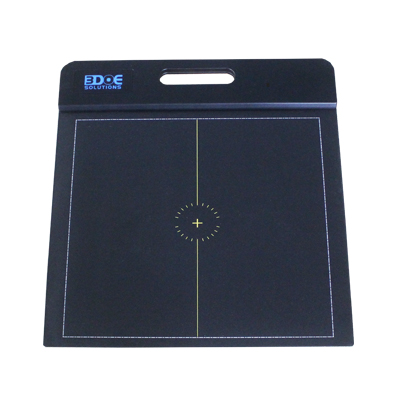
3. Non-invasive detection, suitable for all types of in-store customers.
The plantar pressure plate detects through pressure feedback generated from foot contact with the pressure sensors, without invasive interaction with foot tissues, and therefore belongs to non-invasive detection.
This detection method can avoid discomfort caused by invasive operations during measurement and can also prevent minor skin damage to the foot caused by invasive testing.
It is especially suitable for children with delicate skin, people with minor foot abrasions, or those resistant to invasive testing.
4. Ability to capture dynamic foot load patterns.
Through pressure detection, subtle changes in load distribution across different areas of the foot during walking can be captured, making the data for insole fitting more complete and accurate.
It is particularly suitable for stores and application scenarios with high requirements for insole fitting data accuracy, such as shoe stores and foot care shops.
5. High safety, no adverse effects, suitable for long-term use by all types of people.
The equipment adopts physical pressure sensing technology, with no harmful stimulation, is harmless to the human body, and can meet the needs of long-term, repeated insole fitting detection for people of different ages and foot conditions.