When adolescents are in the period of rapid growth and development, many parents find signs of abnormal foot shape development in them, and thus feel very anxious, not knowing what to do.
In fact, adolescents before the age of 12 generally have unstable arch development. Parents do not need to be overly worried; even if slight foot shape deviation occurs, scientific monitoring and intervention can be carried out through plantar 3D laser scanners and pressure plates.
For physiological arch instability, there is no rush to intervene with combined equipment
Observing the feet of pre-adolescent teenagers, it will be found that almost all of them are in a state where the arch is not fully formed. This is a normal growth and development phenomenon, which basically does not cause any obvious discomfort symptoms. After the age of 12, the foot bones of children gradually calcify, and the arch shape is slowly fixed.
For physiological arch instability, parents can daily guide their children to correct bad sitting postures, walking postures, shoe-wearing habits, etc. Of course, they can also accompany their children to do some exercises to strengthen foot bones and muscles, such as tiptoe jumping and toe grasping training, which helps the healthy development of the arch. In addition, when the child’s exercise volume increases significantly, they can wear sports shoes with mild arch support, which is more in line with the adolescent foot shape and enables the child’s feet to develop in a healthy environment.
Precise monitoring is crucial for obvious foot shape deviation
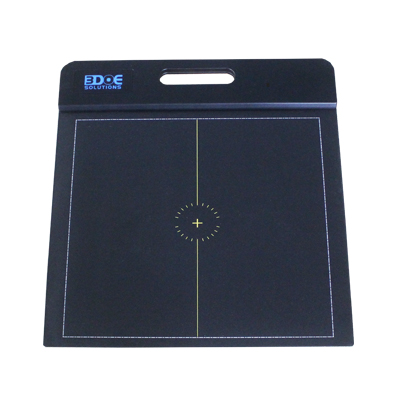
Plantar 3D laser scanners and pressure plates are suitable for adolescents with obvious foot shape development deviation. If the child often complains of foot pain after exercise, or has abnormal walking posture, or prominent degree of foot varus/valgus, parents should take the child to a professional institution for foot shape scanning and dynamic pressure detection, and formulate a targeted intervention plan.
Foot shape development deviation is a common foot problem among adolescents. Parents should treat it scientifically, not be overly worried nor ignore and let it go. If the child’s foot shape deviation is relatively obvious, they should promptly take the child to complete precise monitoring and intervention with the help of professional equipment to assist the healthy development of the feet.